+
At around 11 a.m. on the 11th month of the year, the wait is finally over. A new journey begins with this primary post from me to you. I remember coming across a similar blog during this Autumn-to-Winter transition nearly a decade ago, but it disappeared quickly. Now, I feel compelled to create something similar. My intention is to keep it forever for myself and for all of you. I suppose the current season has inspired me to do this.
The time for celebration and events is approaching quickly. It dawned on me as Thanksgiving takes place next Thursday for my American counterparts. After that, Black Friday will occur next week, prompting a few thoughts to enter my mind. The holiday season – or festive season, depending on your country – is rapidly approaching. This time of year can evoke a range of emotions, from cheerfulness to feeling down and everything in between.
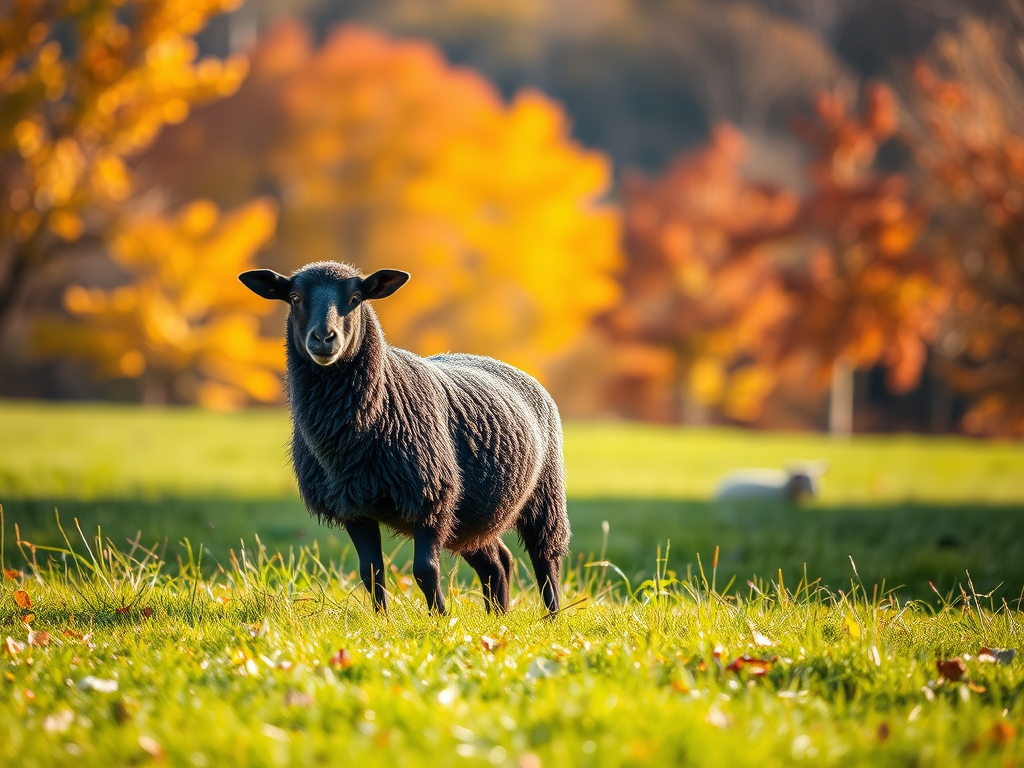
Nonetheless, for those who consider themselves the “Black Sheep,” this experience can be even more complex. It often brings up a multitude of thoughts and feelings.
Before diving deeper, let me briefly explain what being a “Black Sheep” means. It has various definitions. It is generally used to describe someone who is distinct from the rest. This is particularly true within a family system. In psychological contexts, this is called the “Black Sheep Effect.” An individual faces negative bias from their ingroup. They are judged more harshly compared to a similar outgroup member who is deemed deviant and threatens group identity.
For men, being a Black Sheep could manifest in several ways, including:
– Receiving inconsistent criticism about your masculinity from family members who feel threatened by it, or being ridiculed as a child for not meeting certain expectations (e.g., “boys don’t cry”).
– Being Scapegoated or taking the blame for family issues that aren’t your fault.
– Experiencing tension and conflict with family members without understanding the root cause.
– Struggling with self-esteem and identity issues due to receiving mixed signals and feedback.
– Feeling pressure to be perfect and meet expectations that are disconnected from your true self.
– Feeling out of sync with your family’s values and worldview.
– Dealing with immediate family members who show strong narcissistic tendencies.
The last point is one of the key themes I intend to focus on in this blog series. I believe it serves as a catalyst for the other issues mentioned. Growing up in a narcissistic family system can be destructive and dangerous. This is particularly true if you’re unaware of what is happening and how to cope with it. Scapegoating is often not readily recognized. I wasn’t aware of it myself until I reflected on my experiences as I matured.
In the upcoming series, I aim to discuss various topics related to narcissistic parents and other family members. I will start with parents because they lay the foundation. I will also explore other relationships and topics, including gender dynamics, understanding narcissistic family dynamics, coping strategies, and real-life scenarios.
Recognizing your role as a Black Sheep can be the first step toward healing and self-empowerment. It helps you understand that the issues within your family were not your fault. You have the power to redefine your identity and relationships on your own terms.
I have exciting news. I am announcing a pre-launch for my new ebook, “Unshackled: A Man’s Journey from Family Scapegoat to Self-Empowerment.” In this ebook, I dive deeper into the experience of being Scapegoated from a male perspective. I also share the lessons I’ve learned along the way. The pre-launch is set for December 2nd, 2024! More details about the full release will be confirmed closer to that date in my next post.
In the meantime, I invite you to share experiences that resonate with you. Share any experiences with men you know in your life.
“What has your experience been as a Black Sheep in your family?”
 Son in the Shadows: "Navigating Life as the Black Sheep of Narcissistic Parents"
Leave a comment