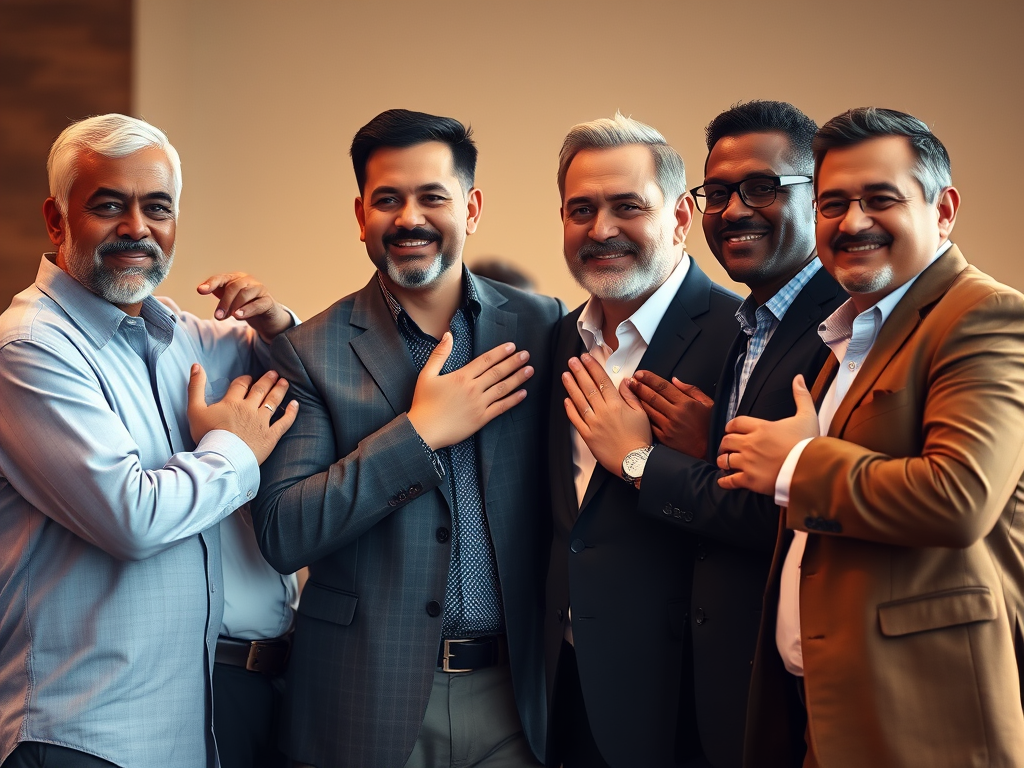
For my American brothers Thanksgiving means different things to different people. Also, the ways in which it is celebrated differ. The type of food you eat on that day differs. Who you would spend it with also differs, as well as the traditions you engage in. What doesn’t change is that you all would feel thankful for something. Even if you don’t do anything else you can always still be thankful.
I am not an American. Still, I can resonate with the meaning of this US holiday. It doesn’t truly hit close to home. No pun intended. The concept of being ‘thankful’ can be applied to different areas. If you find yourself as the scapegoat within a narcissist family, focus on yourself. Be thankful for who you are. On the surface, this may appear to be selfish and contradictory. For most of us, this is a vital practice. This is especially important during this time of year.
I am thankful for quite a lot, even if all hasn’t gone to plan yet. For one, I am really grateful for being healthy and active. I am also thankful for the great and positive experiences I have had throughout life. I look forward to more of these happening in the future. I also am thankful for positive interactions and relationships which has lead to building a bond and trust with others. I am extremely grateful for my future.
For now, I am being modest in what I am grateful for. Honestly, I could elaborate endlessly. I can probably do a blog post about what I am grateful for about myself. It would definitely come across as pig-headed, but so what. For being grateful, this could be anything. It could be about being a good father or a good friend. It might involve being physically strong or building a great life for yourself. Those are just examples, but I am sure you can come up with a lot to be grateful about yourself.
I have written about this earlier and in my ebook. Calling out the elephant in the room highlights the issue. It makes you seem like even more of a problem. You think you are the only one experiencing this. But, many men are scapegoated in narcissistic families. This occurs no matter their background, culture, or color. In a way the narcissistic family draws a lot of similarities to a totalitarian or communist nation. This is because there is a main leader, the head narcissist. Everyone else blindly obeys them, even if they do not want to. This causes negative repercussions.
Not the reveal my political opinions, but this is something that is seen today now more than ever. This is where certain figures have made specific statements. They have called out certain actions in society. As a result, they have been banned on social media platforms and even arrested multiple times.
It is something that is happening in a few countries, notably the United Kingdom. Also, I am not here to debate who is right or wrong. Yet, what is being shown is public figures are speaking their minds on topics some people would agree with. This is leading to perceptions of them being altered. It is a similar situation to going through a smear campaign where you’re demonized and portrayed in a negative light. A lot of prominent male public figures go through this, so it is not only yourself going through this. My message is to keep on going and speaking your truth, even if others get offended. Ultimately, you’re not responsible for their feelings. You’re only responsible on how your react to the backlash you get.
When you think of burnout, you think of the general physical tiredness—being incapable of continuing, having no energy. But this type of burnout goes deeper. It’s the kind that hits your soul. Especially if you’re the male scapegoat in a narcissistic family, you know exactly what I mean.
You were expected to be strong—but not too strong. Independent—but only in the ways they approved of. Emotional—but only when it served their narrative. It’s the emotional whiplash of being raised in a system that constantly shifted the goalposts. One day, you were “too soft.” The next, “too cold.” You were told to speak up—then punished when you did. Told to take responsibility—then blamed for things far outside your control.
Over time, that confusion turns to exhaustion.
Burnout for male scapegoats doesn’t just come from doing too much. It comes from being too much in a system that demanded you shrink. Being authentic, having integrity, and refusing to play along with the dysfunction—all of that takes energy. And when you’ve been doing it since childhood, the toll catches up. You start wondering if it’s even worth it. Should you keep fighting for peace when chaos has always been your default environment?
But here’s the truth: it is worth it. Not because they’ll ever change. But because you deserve a life that’s yours.
Setting boundaries doesn’t make you selfish. Choosing rest doesn’t make you weak. And rebuilding your life—even if it’s brick by brick—is the strongest thing you can do.
Even in the exhaustion, even in the confusion—keep going. You’re not broken. You’re burnt out from surviving a lifetime of mixed messages. And that, in itself, proves your strength.
“Sometimes, your very existence is enough to trigger a storm. It’s not because you’ve done anything wrong. It’s because you shine light on everything they’ve tried to keep in the dark.”
A certain kind of pain doesn’t come from strangers. It comes from the people who should’ve known you best. Not because you hurt them, but because you reminded them of what they refused to heal in themselves. In narcissistic families, the black sheep isn’t a threat because they’re bad — they’re a threat because they’re the mirror.
The Reflection They Can’t Face
The mirror you shine signifies everything the narcissist isn’t — or everything they desperately try to pretend to be. Many narcissists put immense effort into projecting an image of being altruistic, community-minded, or the life of the party. Yet, when you naturally embody these traits, it exposes their act.
Sometimes, they react with exaggerated surprise, as if your natural kindness or authenticity is some kind of magic trick. You were just being you — but to them, that’s threatening.
The Image vs. The Reality
They also try to craft a tough, macho, “warrior” persona, regardless of gender. They covertly claim traits like independence, emotional control, assertiveness, and leadership as their own. Meanwhile, they project softer qualities onto you. These include kindness, nurturing, and gentleness. They do this because they don’t want those traits to define them.
This creates a strange tension. They might treat you like a “golden boy” for showing those traits. Deep down, they resent the fact that you express them with ease, while they have to fake it.
Your Strength Exposes Their Mask
The real conflict begins when you reveal your true strength — the independence, logic, resilience, and bravery they lack. Narcissistic families are built on control and manipulation, not true strength.
Every time you stand up for yourself, you reflect the part of them that’s weak or broken. Every time you refuse to play their games, you highlight the fact that their control isn’t absolute. To them, you’re not just defying them — you’re exposing them.
They Hate What You Reveal
Your presence is a mirror to their unhealed wounds. They interpret your integrity as defiance. Your authenticity as rebellion. And your strength as a direct challenge.
But the truth is, you’re not trying to fight them. You’re simply choosing to be yourself. And sometimes, being yourself is enough to make them want to tear you down. Your light exposes the darkness they’d rather keep hidden.
Life is full of uncertainty, and if you’re struggling with it, you’re not alone. It’s okay to not have all the answers right now.
For many of us, especially those coming from narcissistic family dynamics, uncertainty can feel overwhelming. We’re often conditioned to seek control, to have answers, to follow a clear path. But what if I told you that uncertainty doesn’t have to be feared? It’s a part of life that allows us to grow and create new opportunities.
It’s okay to not know the next step. Sometimes, the most powerful thing we can do is embrace the unknown. It gives us room to explore, learn, and redefine ourselves.
If you’re feeling unsure about the future, remember this: uncertainty means you’re pushing boundaries. That’s a good thing.
So take a breath. You’re allowed to take your time, figure things out at your own pace, and trust that the answers will come.
In today’s world, masculinity is often ridiculed. If you express masculine traits—like directness, decisiveness, or even healthy assertiveness—there’s often an effort to infantilize you. Toxic individuals may try to “knock you down a peg,” using passive-aggressive tactics or condescension to undermine your confidence. This is not about who you are as a person but rather a reflection of their own inadequacies.
On the other hand, when you do something noble or altruistic, there’s often a patronizing element aimed at emasculating you. For example, if you carry out an act of kindness or generosity, it might be met with backhanded compliments. These remarks subtly put you down and label you as “soft” or “a sissy.” This is illogical and rooted in control—they seek to diminish your self-worth by twisting positive actions into something negative.
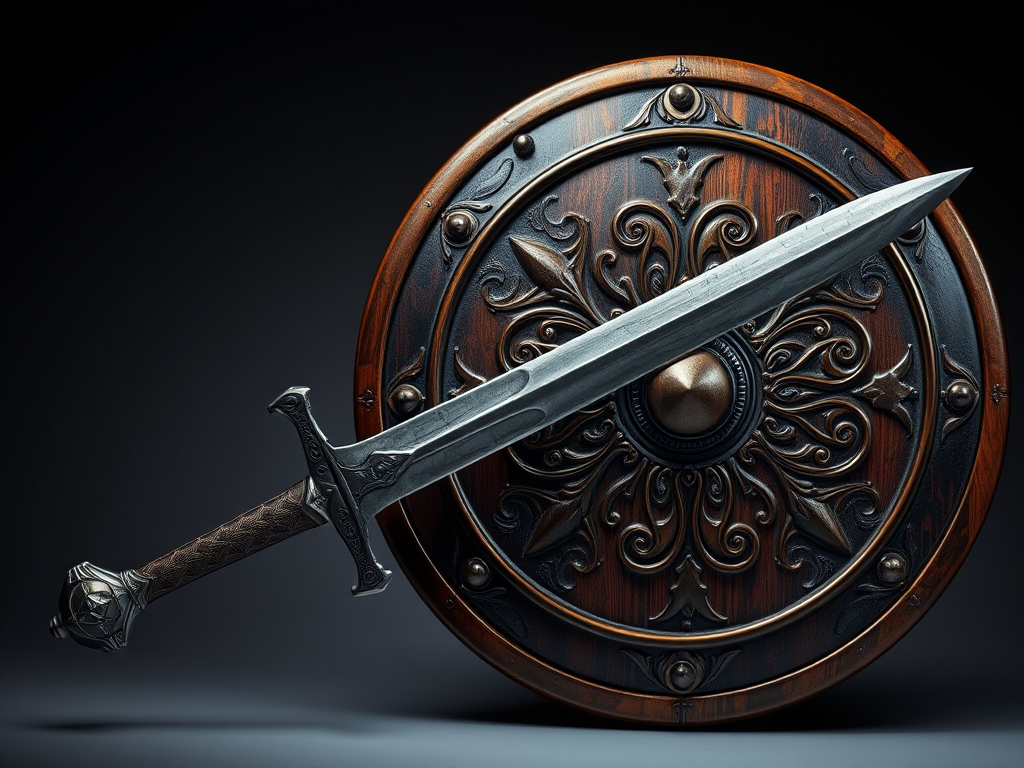
The Shield: Emotional Control
The shield shows emotional control—the ability to let their words fly over your head without engaging in their game. They thrive on reactions; denying them that satisfaction takes away their power.
Instead of reacting emotionally, let them talk. Toxic individuals often reveal their true selves over time. Their façade of superiority begins to crack, exposing them as wounded individuals projecting their own hurt onto others. Keep your composure. Refuse to stoop to their level. Doing so helps you protect your boundaries. You also preserve your dignity this way.
The Sword: Physical Confidence
While the shield shows emotional control, there are moments when using your sword becomes necessary. The sword symbolizes the cultivation of power to protect yourself.
For example, if someone raises their voice, this is where the sword comes into play. If they invade your personal space or try to physically push you around, it also applies. Decisiveness in these moments involves using strong body language to set boundaries. Standing tall, maintaining eye contact, and speaking firmly can often diffuse these situations before they escalate further. If physical defense becomes necessary, being fit and strong gives you the confidence to protect yourself effectively.
A key aspect of wielding the sword is working on your body image. Regular exercise, like going to the gym, not only improves physical strength but also elevates your confidence and competence. Feeling strong in your own body translates into feeling strong in your interactions with others.
To take this even further, learning a martial art can be transformative. Martial arts not only teach self-defense but also instill discipline, focus, and mental resilience. Knowing that you have the skills to ward off potential threats significantly boosts your confidence. It also allows you to navigate life with a sense of security.
Conclusion: Standing Firm in Your Identity
The key is recognizing that these attempts to ridicule masculinity—whether through infantilization or patronization—are not about you but about them. Stand firm in your identity and values. Use both the shield (emotional control) and the sword (decisiveness). This approach enables you to navigate these situations with strength and grace.
Have you ever felt stuck in a rut, yearning for change but afraid to take that first step?
“Life begins at the end of your comfort zone.” – Neale Donald Walsch
“The comfort zone is a beautiful place, but nothing ever grows there.” – Unknown
“What you are afraid of is usually what you need to do.” – Ralph Waldo Emerson
“You miss 100% of the shots you don’t take.” – Wayne Gretzky
“Great things never come from comfort zones.” – Anonymous
What do all these quotes have in common? They explain that being comfortable might provide stability, but it ultimately stifles us from taking the next step. It is that first painful step that transforms our lives. I also believe that, as men, it’s in our natural instinct to push our boundaries. We earn rewards for overcoming challenges, whether that’s financial or an increase in pride. This is what has led civilizations to be built and humanity to evolve.
Sadly, it can be a misunderstood idea. We are taught that the ideal standard revolves around ‘playing it safe.’ I’m sure this is relatable in many areas of life. This is especially true for the black sheep of a toxic and narcissistic family of origin. We are often conditioned to avoid calling out problems or advocating for ourselves. As some of us know, it’s a painful process. You lose people, or their perceptions of you become negative. But this is where true growth occurs. When I did this in my own life, it felt very uncomfortable and foreign. Yet, in the long run, I felt much better and more mature.
This principle can be applied to many areas of life. It could be starting a new career, taking up a new hobby, or traveling somewhere different and unfamiliar. The principle is still the same. Not everyone will support this journey. It will be difficult. But ultimately, you’ll learn more about yourself. You’ll write a new story and create a new chapter. You’ll free yourself from whatever is holding you back.
It took me some time to reach this point, but I became far more satisfied. The times I was in my comfort zone were actually the most unfulfilled periods of my life. As we continue on this journey, I encourage you to embrace the unknown. Keep pushing forward. If setbacks occur, get up and fight another day.
So, what’s holding you back? What small step can you take today to step outside your comfort zone? Let’s keep pushing forward together.
While today is often celebrated as a day for romantic love, it’s also a perfect opportunity to reflect on the most important relationship of all: the one you have with yourself.
“You should tell people who you are, otherwise they will do this for you.” This quote, often attributed to Ursula K. Le Guin, hits at the heart of self-esteem, especially for men. In a world that constantly bombards us with images of what we should be – it’s easy to lose sight of who we actually are. We start letting external forces, societal expectations, and even the opinions of others define us. But what happens when those external measures of worth crumble? What’s left when the applause fades?
This post, number 14 in our journey through Sons in the Shadows, dives into the crucial connection between self-esteem and owning your identity. It’s about building a foundation of inner security that doesn’t depend on likes, validation, or the fleeting approval of others.
The quote above isn’t just about telling people your name or your job title. It’s about declaring your values, your passions, your beliefs – the core elements that make you you. It’s about taking ownership of your narrative, rather than letting others write it for you. When we allow external forces to define us, we become chameleons, constantly shifting and adapting to fit someone else’s mold. This can lead to a sense of emptiness and a constant craving for validation.
Think about it. How often do you find yourself striving for things that you think will impress others, rather than pursuing what truly brings you joy and fulfillment? We chase the socially respected job, having the scripted life plan, or mold our personalities to fit a certain ideal, all in the hope of earning approval. But this is a fragile foundation. External validation is fleeting. It’s like building your house on sand – eventually, it will shift and crumble.
True self-esteem comes from within. It’s about cultivating a deep sense of self-acceptance and believing in your own worth, regardless of external circumstances. It’s about recognizing your strengths, acknowledging your weaknesses, and embracing the totality of who you are – flaws and all. And here’s the kicker: this inner security is incredibly attractive.
Not in a superficial, “look at me” kind of way. Genuine confidence and self-acceptance radiate outwards. When you’re secure in who you are, you don’t need to put on a show or pretend to be someone you’re not. This authenticity draws people to you. It builds genuine connections and attracts positive things into your life. People are drawn to those who are comfortable in their own skin, who aren’t afraid to be themselves.
So, how do you cultivate this inner security? It’s a journey, not a destination, but here are a few steps you can take:
Challenge Negative Self-Talk: Become aware of the negative thoughts that run through your head. Are you constantly criticizing yourself? Replace those negative thoughts with positive affirmations.
Focus on Your Strengths: Take time to acknowledge your accomplishments, both big and small. What are you good at? What are you proud of?
Set Realistic Goals: Set achievable goals for yourself and celebrate your progress along the way. Small wins can build momentum and boost your self-esteem.
Practice Self-Compassion: Be kind to yourself, especially when you make mistakes. Everyone makes mistakes. It’s part of being human.
Surround Yourself with Positivity: Choose to spend time with people who lift you up and support you, not those who tear you down.
Building self-esteem takes time and effort, but it’s the most worthwhile investment you can make in yourself. It’s about taking ownership of your identity and defining yourself on your own terms. Remember, you should tell people who you are, otherwise, they will do this for you. Start today. Start now. Start with yourself.